Archives
- 2026-07
- 2026-06
- 2026-05
- 2026-04
- 2026-03
- 2026-02
- 2026-01
- 2025-12
- 2025-11
- 2025-10
- 2025-03
- 2025-02
- 2025-01
- 2024-12
- 2024-11
- 2024-10
- 2024-09
- 2024-08
- 2024-07
- 2024-06
- 2024-05
- 2024-04
- 2024-03
- 2024-02
- 2024-01
- 2023-12
- 2023-11
- 2023-10
- 2023-09
- 2023-08
- 2023-06
- 2023-05
- 2023-04
- 2023-03
- 2023-02
- 2023-01
- 2022-12
- 2022-11
- 2022-10
- 2022-09
- 2022-08
- 2022-07
- 2022-06
- 2022-05
- 2022-04
- 2022-03
- 2022-02
- 2022-01
- 2021-12
- 2021-11
- 2021-10
- 2021-09
- 2021-08
- 2021-07
- 2021-06
- 2021-05
- 2021-04
- 2021-03
- 2021-02
- 2021-01
- 2020-12
- 2020-11
- 2020-10
- 2020-09
- 2020-08
- 2020-07
- 2020-06
- 2020-05
- 2020-04
- 2020-03
- 2020-02
- 2020-01
- 2019-12
- 2019-11
- 2019-10
- 2019-09
- 2019-08
- 2019-07
- 2019-06
- 2019-05
- 2019-04
- 2018-11
- 2018-10
- 2018-07
-
br Methods br Results br
2022-01-24
Methods Results Discussion In the general population BNP has been established as a marker for carbenicillin sale failure diagnosis. Moreover, there is growing evidence that elevated levels of natriuretic-peptides may improve CV risk prediction in the general population above traditional ri
-
br Conclusion Leukocytes adhesion to endothelial cells is on
2022-01-24
Conclusion Leukocytes adhesion to endothelial cells is one of the most critical event in the inflammatory response. In presented paper using a relevant model of adhesion we have demonstrated that histamine influence eosinophils adhesion to endothelium. This effect appears to be mediated by H4 his
-
The inhibitory activities against HDAC and HDAC
2022-01-24
The inhibitory activities against HDAC1 and HDAC6 of title compounds were evaluated in a fluorescent assay using SAHA and ACY-1215 as positive control. The results were displayed in A. Compounds – with linker containing 5–7 carbons showed good inhibitory activities against HDAC6. They also displayed
-
Apo E is defined as a polym http
2022-01-24
Apo E is defined as a polymorphic protein arising from three alleles. The human Apo E gene was widely studied and described to be located on chromosome 19, closely linked to the Apo C-I/C-II gene complex [9]. The three major alleles, termed Epsilon-2, Epsilon-3 and Epsilon-4 have been reported [10].
-
br Author Contributions br Acknowledgments We thank Hiroyuki
2022-01-24
Author Contributions Acknowledgments We thank Hiroyuki Miyoshi, Makoto Nakanishi, Yoshikazu Johmura, Yuki Okada, Yoshinori Makino, Takashi Sutani, and Katsuhiko Shirahige for kindly providing materials and technical information, Shiho Takahashi-Kariyazono for technical advice, and all members
-
These and other observations presented in the elegant
2022-01-24
These and other observations presented in the elegant, rigorous study by Thomas et al. (2018) clarify a puzzling enigma regarding the Rab specificities of yeast TRAPP complexes and further highlight an important though under-appreciated role for the C-terminal HVD of Rabs in GEF substrate selection.
-
Barthi et al previously showed that curcumin
2022-01-24
Barthi et al.[43] previously showed that curcumin inhibits IKK complex activity and thus IκBα phosphorylation as well as the p65 nuclear translocation. Those data are in agreement with our results obtained by gel shift assays using GSTP1-1 promoter and consensus NF-κB probes. Moreover, luciferase ac
-
Finally our work showed that HAART resulted
2022-01-24
Finally, our work showed that HAART resulted in significant inter-individual variability among DEGs, which reflected the Mouse iPSC Chemical Reprogramming Cocktails Kit sale in HIV-affected human gene expressions (Fig. 1, Fig. 2, Fig. 3, Fig. 4). These observations also highlighted the importance of
-
Evaluating the plausibility of this selective scenario is ch
2022-01-24
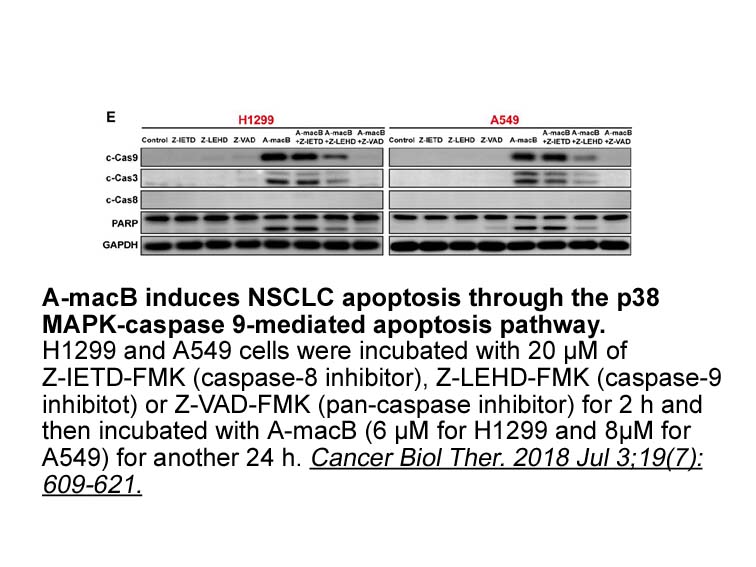
Evaluating the plausibility of this selective scenario is challenging because of the uncertainties concerning the biological role of calpain-10 and the significance of its variants with regard to gene function and disease susceptibility. However, from a strictly evolutionary standpoint, our findings
-
Restless running behavior was first described
2022-01-24
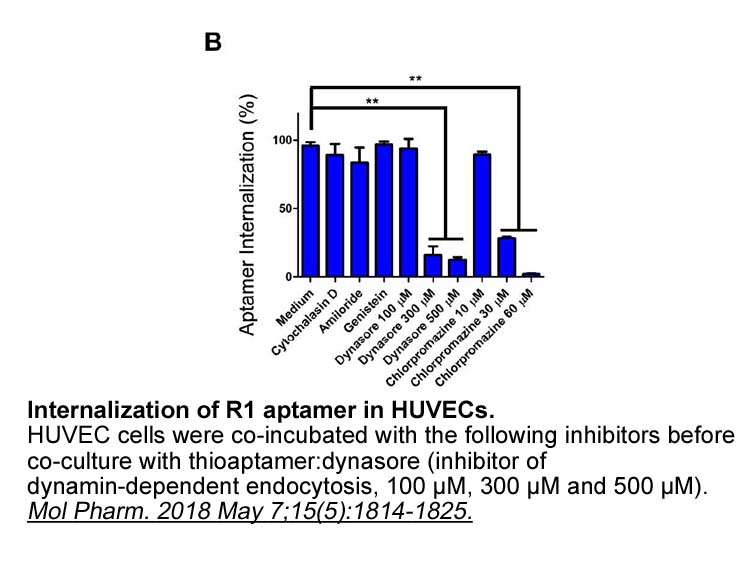
‘Restless running behavior’ was first described in mice after administration of 30mg/kg i.p. ALX-5407 and was thought to be due to an augmentation of NMDA-induced dopamine activity [27]. The motor impairments caused by ALX-5407 were confirmed by Perry et al. [10] and extended to another sarcosine-de
-
The unique ability of R PabI to specifically excise
2022-01-21
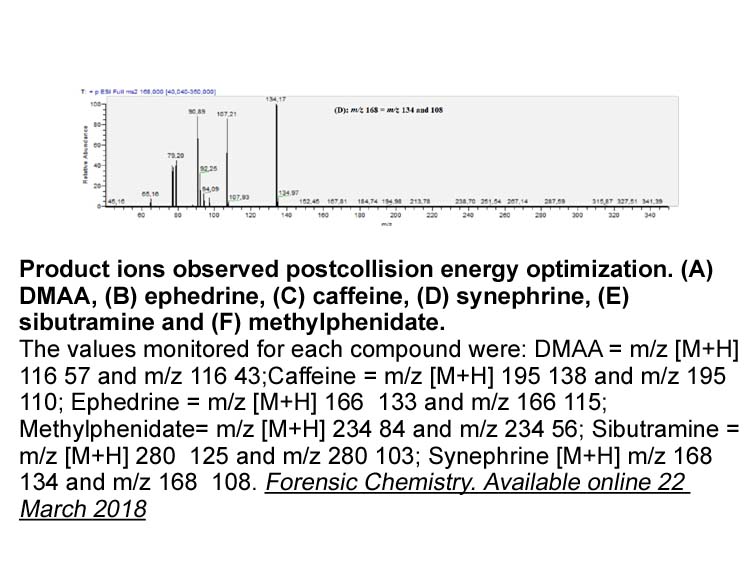
The unique ability of R.PabI to specifically excise ritodrine from a palindromic sequence is based on a novel structural architecture that is distinct not only from other DNA glycosylases but also from other proteins [88]. In the absence of DNA, R.PabI forms a dimer with a central, highly twisted β
-
The general synthetic routes leading to aspartate and diamin
2022-01-21
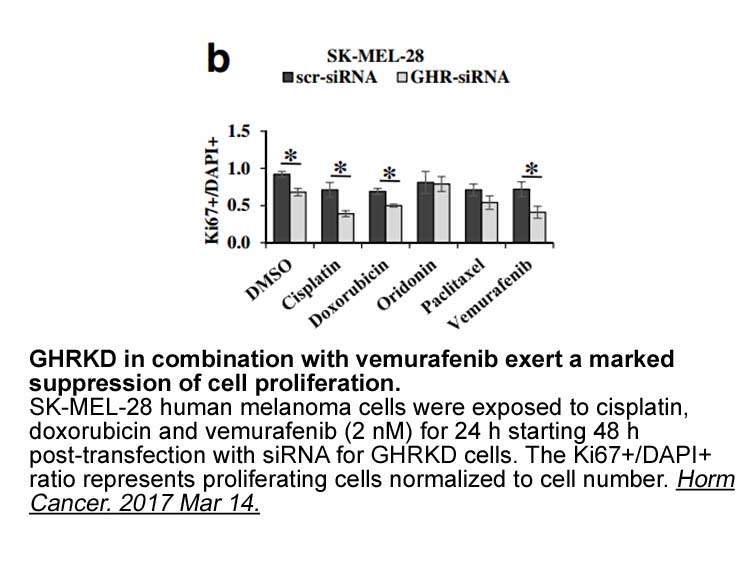
The general synthetic routes, leading to aspartate and 2,3-diaminopropionate analogs, are shown in . As outlined in , aspartic Triflusal analogs – were synthesized through standard carbodiimide-mediated coupling between an amine and an appropriately protected aspartic acid. It is worth mentioning th
-
A key limiting factor in
2022-01-21
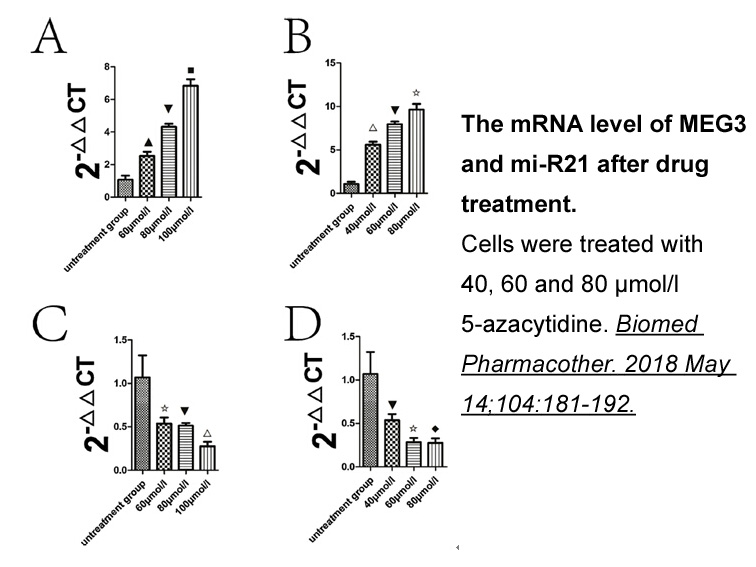
A key limiting factor in the semi-quantitative analysis of changes in the nuclear-to-cytoplasmic distribution of glucokinase is the large intercellular heterogeneity of Carprofen of glucokinase in both isolated hepatocytes in vitro and also in liver in vivo[13], [23], [24], [26], [36]. This necessi
-
Introduction Glucocorticoids are released in response to str
2022-01-21
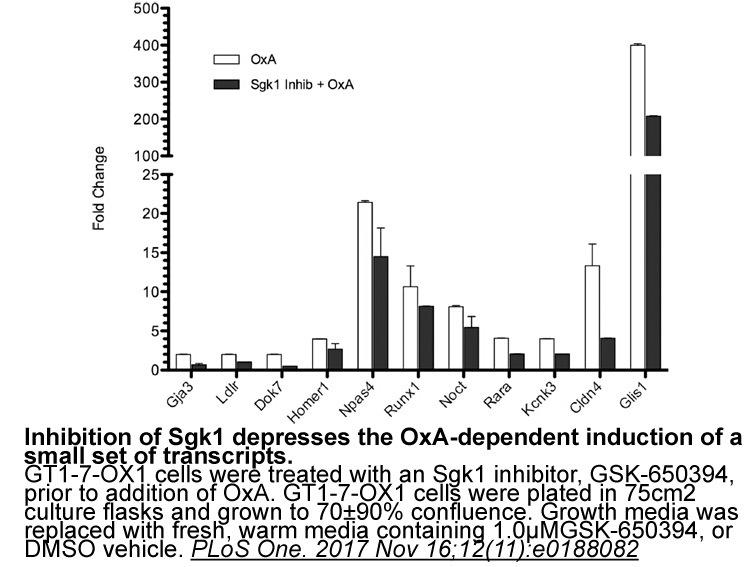
Introduction Glucocorticoids are released in response to stress and play an important role in inflammation, cellular growth, development, body fluid homeostasis, carbohydrate, lipid, and protein metabolism. However, circulating glucocorticoid excess has been associated with a classical phenotype of
-
br Materials and methods br Results br
2022-01-21

Materials and methods Results Discussion Employment of GIPR signaling, specifically the direction of this manipulation, as a strategy to improve body weight remains a contentious subject of intense scientific investigation [22], [32], [33]. Despite the physiological benefits of GIP on Sumat
16357 records 513/1091 page Previous Next First page 上5页 511512513514515 下5页 Last page